
What Drives the Cost of Custom Ziplock Bags? A Factory Breakdown of Film, Zipper, Printing, and Order Quantity
Back to previous pageWhen buyers request quotes for custom ziplock bags, the price per 1,000 pieces can vary by a surprising margin between suppliers — and even between repeat orders from the same factory. The difference is rarely a markup issue. It comes down to four structural cost drivers that every packaging buyer should understand before comparing offers. As a mid-size PE bag factory, we explain them in plain terms below.
Film: Resin Choice and Thickness Set the Baseline
The film is typically 60–70% of a ziplock bag's material cost. Most self-sealing bags are blown from LDPE or an LDPE/LLDPE blend; adding LLDPE raises puncture resistance and closure strength but also increases resin cost. Thickness is the multiplier: a 60-micron bag uses roughly twice the resin of a 30-micron bag of the same size, so moving from 0.05 mm to 0.08 mm for extra stiffness can add 15–25% to the unit price. The practical rule is to match thickness to load weight — paying for microns you do not need is the most common source of unnecessary spend.
Zipper Profile and Lip Construction
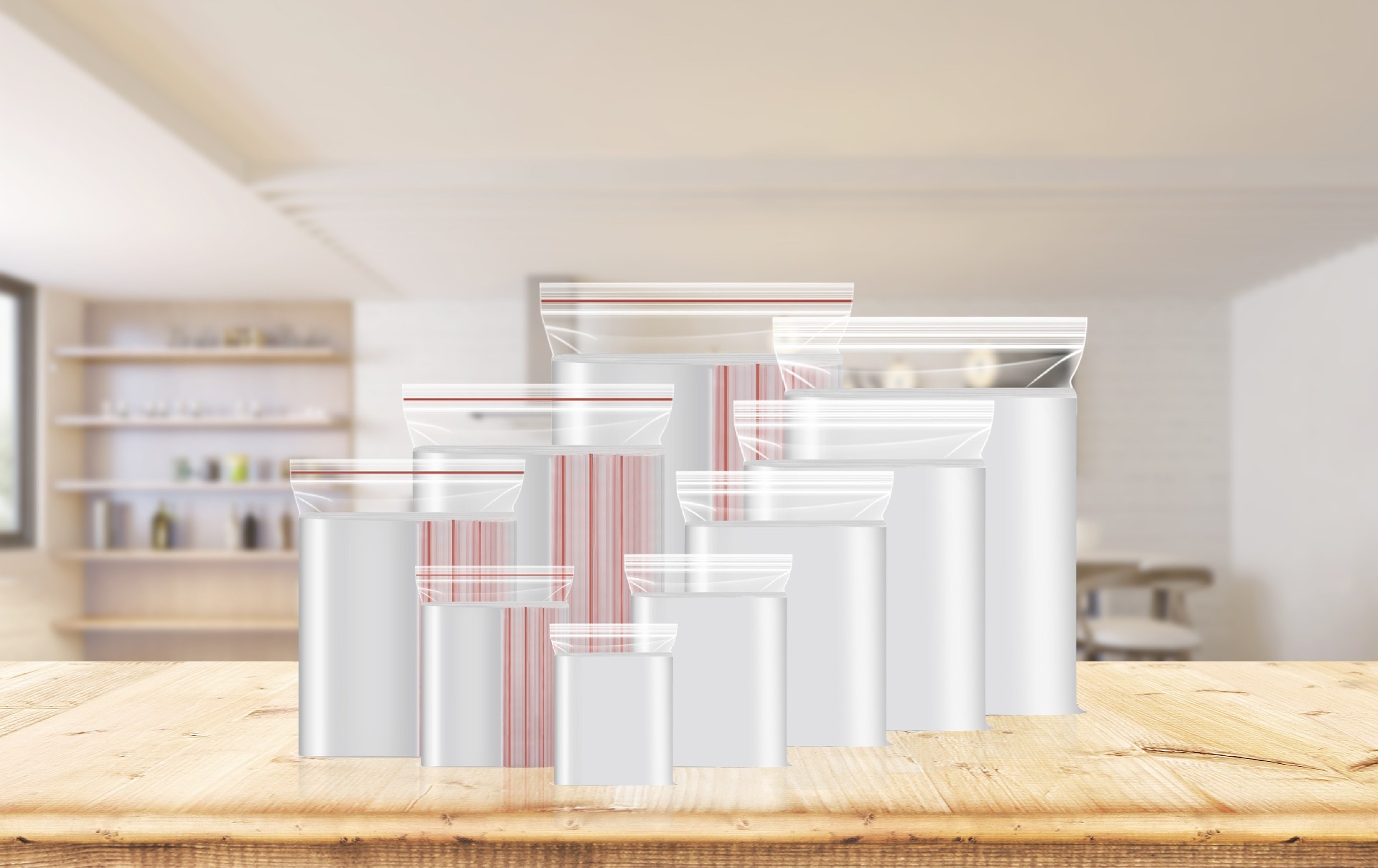
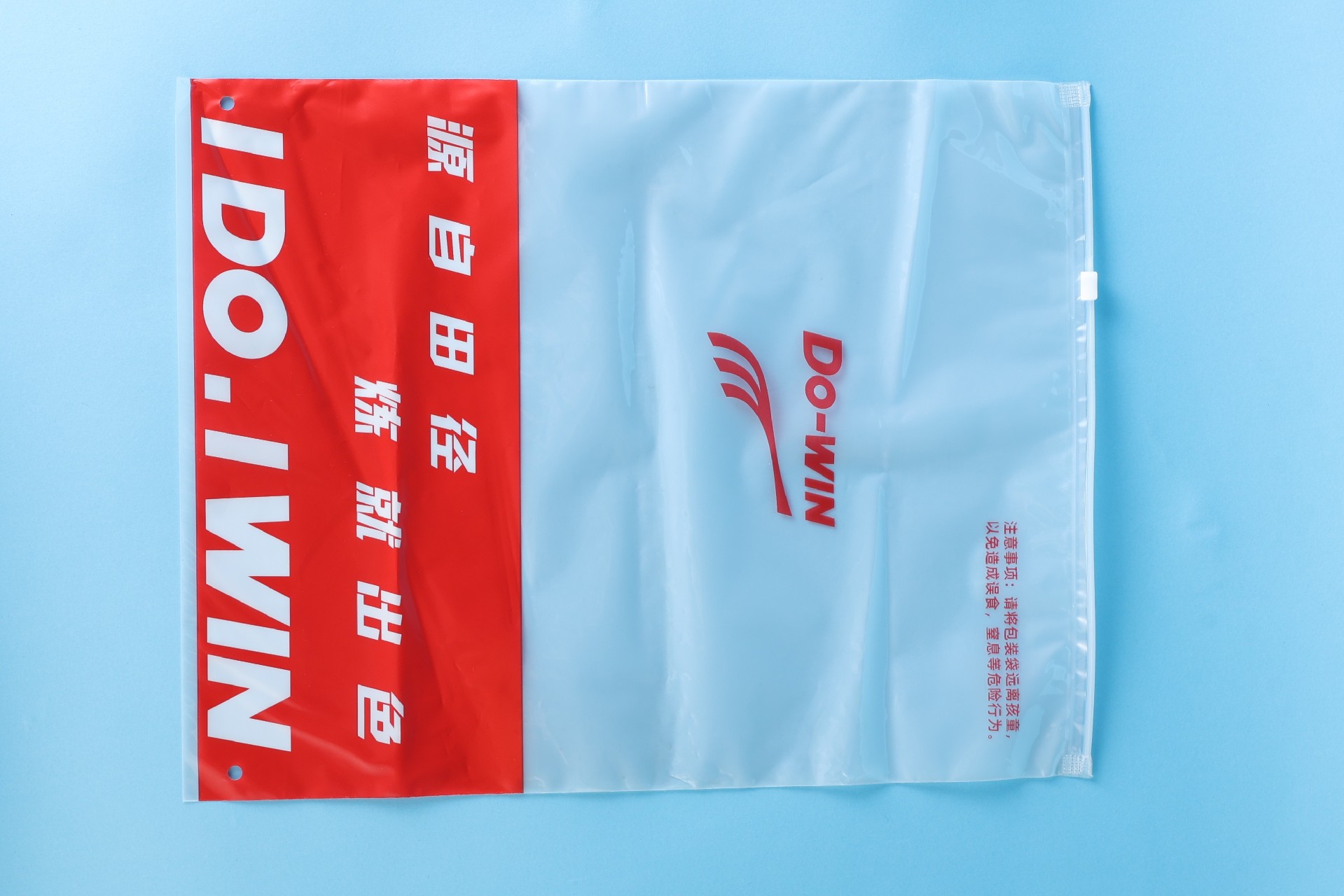
The closure is the second-largest cost component. A standard single-track press-close profile is the most economical; double-track zippers improve reseal feel and tamper evidence but consume more material and run slower on the bag-making line. Bags with a wide lip above the zipper (for hanging display or a larger printed area) need extra film width, which quietly increases cost on every piece. If your product does not need the extra lip depth, trimming 10 mm of film width is an easy saving at scale.
Printing: Colors, Coverage, and Plate Costs
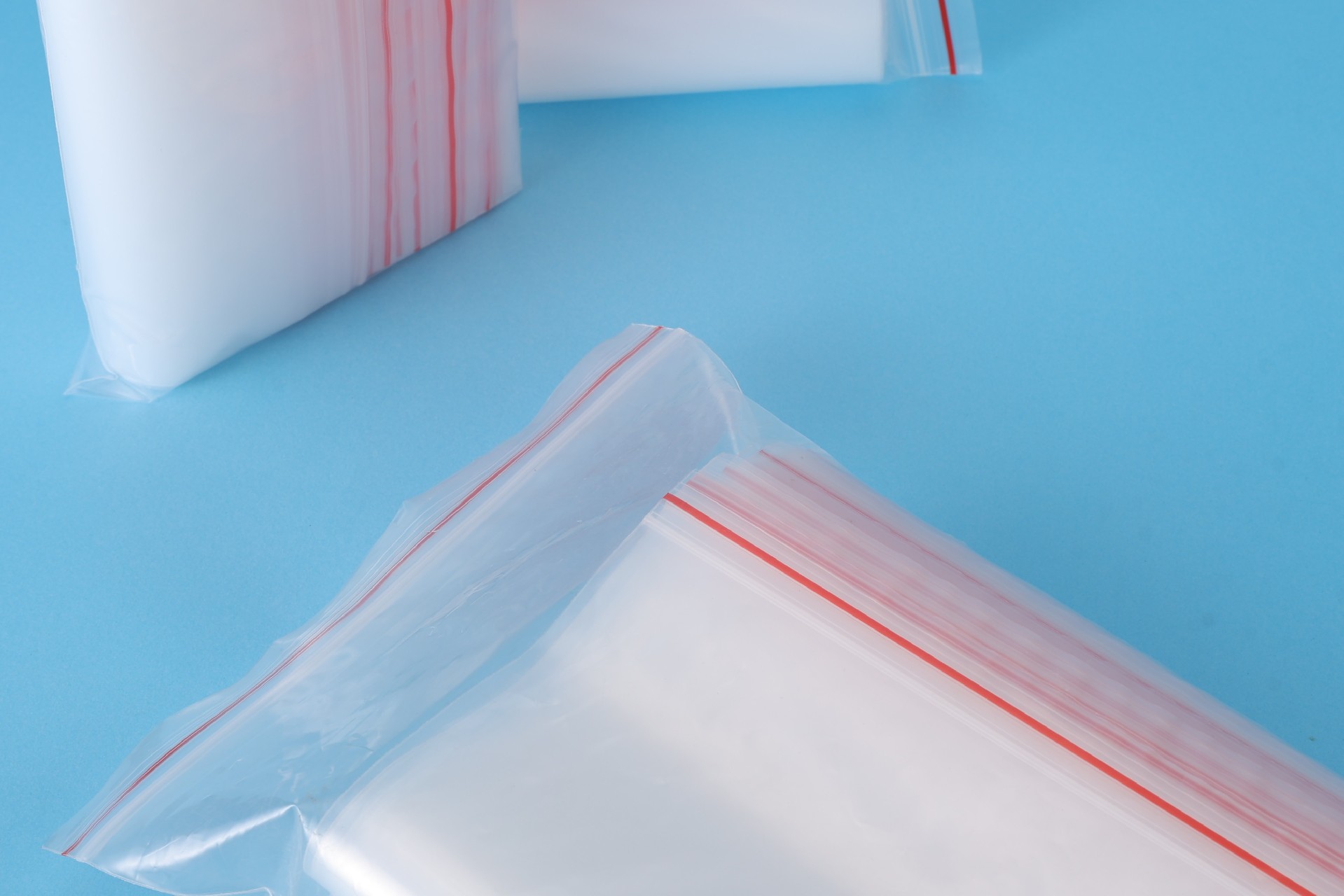
Custom printing adds two distinct charges: one-time plate or cylinder fees, and a per-piece printing cost. Gravure cylinders carry a higher upfront fee but deliver sharp, photo-quality branding at low running cost for long runs; flexographic printing is cheaper to set up and suits shorter runs of one- to three-color designs. Heavy ink coverage also slows production slightly. For many buyers, a clean one-color logo on clear film hits the best balance between shelf presence and budget.
Order Quantity and Line Efficiency
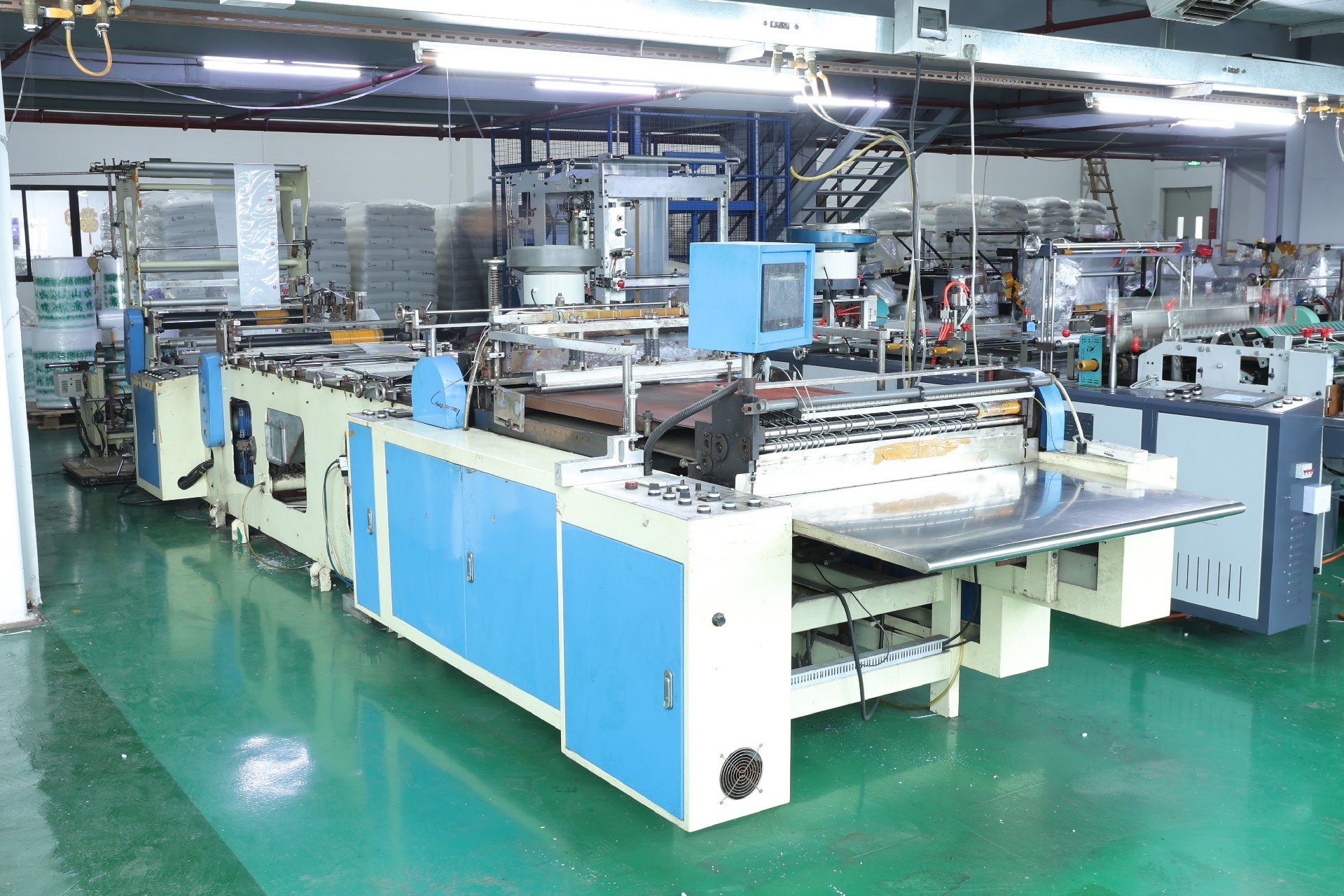
Setup time — mounting film, registering print, tuning seal temperature — is nearly the same whether a run produces 10,000 or 100,000 bags. That fixed cost is amortized across the run, which is why the price per 1,000 bags drops noticeably as quantity increases. Batch production planning on the bag-making line keeps changeovers short, and we pass that efficiency on to smaller buyers who can accept slightly flexible delivery dates.
How to Trim Cost Without Losing Quality
The most effective levers are simple: right-size the bag to the product instead of rounding up, confirm the minimum thickness that passes your drop and stack tests, keep the design to one or two spot colors where possible, and consolidate several sizes into one order to share setup time. Buyers who send exact dimensions, thickness, and artwork upfront get accurate quotes faster — and avoid the surprise charges that vague specifications invite.
Understanding these four drivers turns bag pricing from a guessing game into a negotiation you can control. If you would like a transparent quotation for your own custom ziplock bag project, our team responds to detailed inquiries within one working day.
-

Aug 24,2026
E-Commerce Flexible Packaging Market 2026: How Online Retail Growth Drives Self-Sealing Bag and Protective Mailer Demand
view more -
Aug 03,2026
Post-Consumer Recycled (PCR) Content in Plastic Packaging: What Manufacturers and Buyers Need to Know in 2026
view more -

Aug 21,2026
Packing Tape Selection Guide: Acrylic vs Hot-Melt vs Natural Rubber Adhesives for Carton Sealing and E-commerce Fulfillment
view more
-
Contact Us
 Learn moreTel: +86-15602809087 Water Yang
-
Product Category
-
COMPANY
-
LET'S STAY IN TOUCH


