

Custom Printing Techniques for Self-Sealing Bags: Rotogravure vs Flexographic vs Digital Printing for Brand Packaging
Back to previous pageWhy Custom Printing Matters for Flexible Packaging
In the self-sealing bag and ziplock bag market, custom printing is no longer optional for brand owners. Whether you supply retail, e-commerce, food service, or industrial hardware, the printed surface of a self-sealing bag carries your logo, regulatory text, barcode, and product information. The right printing technique determines color accuracy, run cost, lead time, and minimum order quantity (MOQ). Below we compare the three most common methods used by plastic packaging manufacturers: rotogravure, flexographic, and digital printing.

Rotogravure Printing: Premium Quality for Long Runs
Rotogravure (gravure) uses engraved metal cylinders to transfer ink onto the film. It is the industry benchmark for high-volume self-sealing bag production, typically 30,000 meters and above. Gravure delivers exceptional color consistency, fine detail reproduction, and the ability to print up to 10 colors with metallic and matte finishes. The trade-off is higher upfront cylinder cost, which is why this method suits established SKUs rather than short promotional runs.
Flexographic Printing: Flexible and Cost-Efficient
Flexo (flexographic) printing uses flexible photopolymer plates and fast-drying inks. It is the workhorse of the flexible packaging industry, ideal for medium to long runs of flat pouches, double-bone bags, and colored self-sealing bags. Modern sleeve flexo presses now rival gravure on quality, and water-based or UV-curable inks make flexo attractive for brands with sustainability goals. For most self-sealing bag buyers running 5,000 to 50,000 pieces, flexo offers the best balance of quality, MOQ, and price.
Digital Printing: Short Runs and Full Customization
Digital printing has matured rapidly for flexible packaging. Without plates or cylinders, it allows variable data printing, SKU variation, and small MOQs starting at 500 to 1,000 pieces. Digital is perfect for seasonal designs, limited editions, samples, and e-commerce sellers testing new products. The downside is slower print speed and limited compatibility with certain films, so it is rarely used for high-volume production.
Choosing the Right Method for Your Product
For export buyers and brand owners, the decision usually comes down to run length, design complexity, and budget. Long runs with complex artwork favor rotogravure. Medium runs with solid color branding favor flexo. Short runs, prototypes, and variable designs favor digital. Working with an experienced plastic packaging manufacturer that operates all three lines gives you the flexibility to scale without switching suppliers. YDF Plastics runs both gravure and flexo presses in-house, with digital sampling available for pre-production approval.
-
Aug 21,2026
Custom Printing Techniques for Self-Sealing Bags: Rotogravure vs Flexographic vs Digital Printing for Brand Packaging
view more -
Oct 21,2026
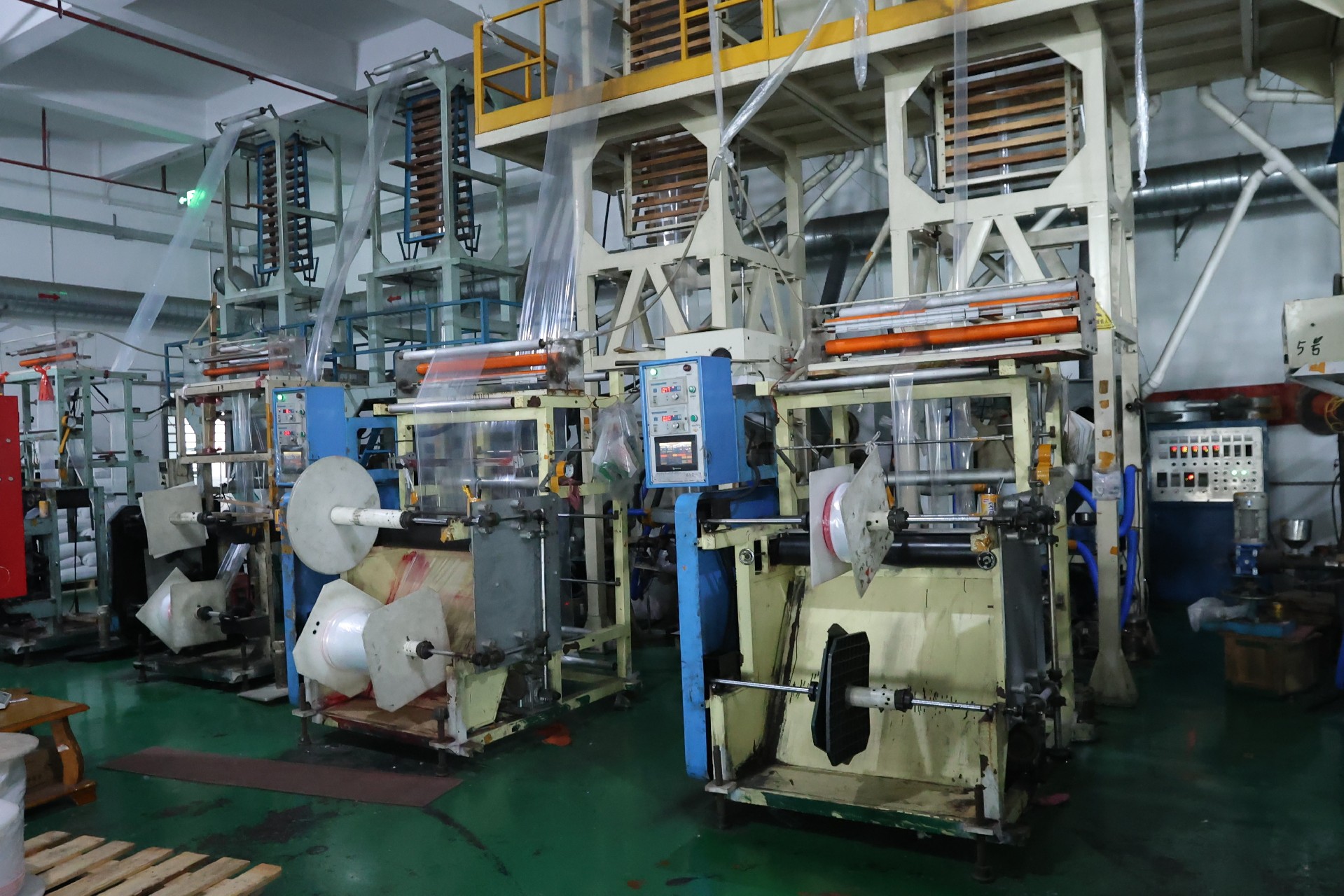
PE Blown Film Extrusion Explained: How Resin, Blending, and Process Control Shape Self-Sealing Bag Quality
view more -
Aug 12,2026
Drawstring Trash Bags in Commercial and Institutional Settings: Key Performance Specifications and Material Choices
view more
-
Contact Us
 Learn moreTel: +86-15602809087 Water Yang
-
Product Category
-
COMPANY
-
LET'S STAY IN TOUCH


